
Scheduled monitoring inspection and maintenance to keep your water systems compliant with ACoP L8 and HSG274.
L8 Legionella Compliance PPM
What It Is
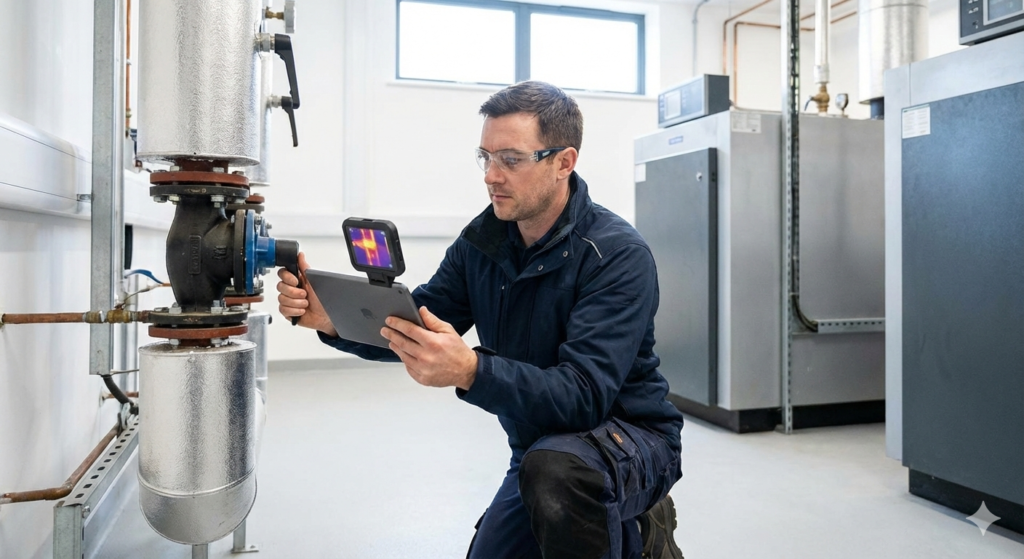
Effective legionella control requires ongoing monitoring and maintenance, not just a risk assessment and occasional visits. ACoP L8 and HSG274 set out the routine tasks duty holders must carry out to manage the risk from legionella in water systems.
These tasks include temperature monitoring, outlet flushing, asset inspections, TMV servicing and more. Together, they form your written scheme of control and provide the evidence that your systems are being actively managed.
Why it Matters
A risk assessment identifies what could go wrong. Monitoring and maintenance ensures your controls are working and nothing has changed.
The Health and Safety Executive expects to see evidence of ongoing management. If an incident occurs or an auditor visits, you need records showing that tasks were completed, results were within acceptable ranges, and any issues were acted upon.
Gaps in monitoring, missed inspections or incomplete records leave you exposed. Consistent, documented maintenance protects your building occupants and your position.
What We Do
We deliver planned monitoring and maintenance programmes covering all the routine tasks required under ACoP L8 and HSG274 Part 2:
Temperature Monitoring
- Sentinel outlet checks (nearest and furthest from plant)
- Representative outlet monitoring across the building
- Calorifier flow and return temperatures
- Cold water storage tank temperatures
- Written records with any anomalies flagged
Outlet Flushing
- Flushing of little-used outlets to prevent stagnation
- Identification and management of infrequently used assets
- Flushing schedules and records
TMV Servicing
- Cleaning, descaling & disinfection
- Failsafe function testing
- Temperature verification
- Servicing to TMV2 or TMV3 standards as applicable
Calorifier Inspections
- Annual inspection of calorifiers and hot water storage vessels
- Internal condition assessment where accessible
- Temperature verification
- Identification of sediment, scale or corrosion
- Recommendations for remedial work or descaling
Showerhead Cleaning
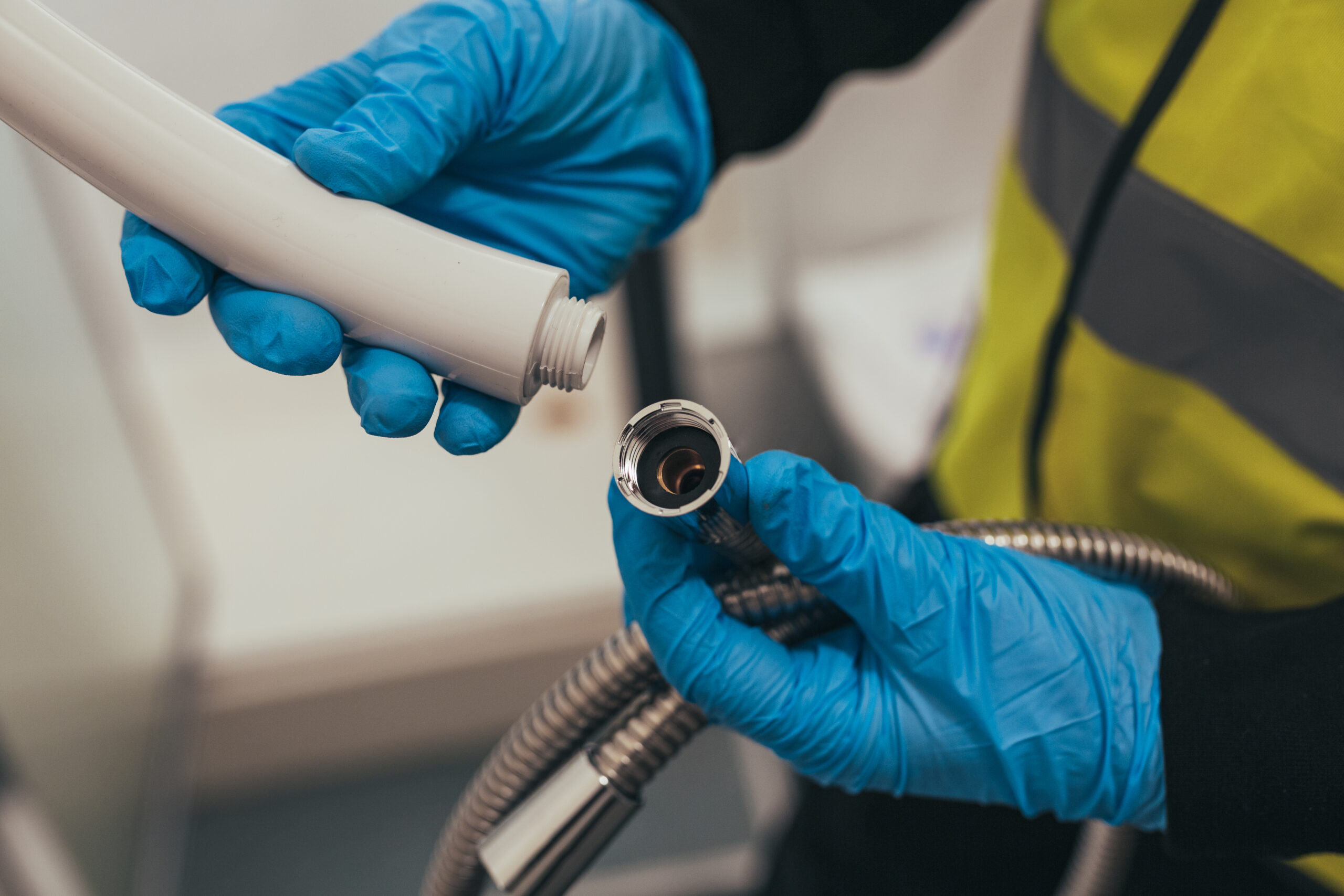
- Quarterly cleaning and descaling of showerheads and hoses
- Removal of biofilm and scale build-up
- Replacement recommendations where required
Asset Inspections
- Visual inspection of tanks, pipework, insulation and fittings
- Identification of changes, damage or deterioration
- Updating of asset registers and schematics
What sets us apart
What you receive
- Planned programme tailored to your site and risk assessment
- Scheduled visits by competent technicians
- Written records for every task completed
- Flagging of any issues or anomalies
- Recommendations for remedial work where required
- Audit-ready documentation
Legislative Context
- Your duties relating to cold water storage tanks come from:
- Health and Safety at Work Act 1974 – general duty to ensure the health and safety of employees and others
- Control of Substances Hazardous to Health Regulations 2002 (COSHH) – legionella is a biological agent; exposure must be controlled
- ACoP L8 – approved code of practice setting out how to comply with the law
- HSG274 Part 2 – technical guidance on hot and cold water systems
Together, these require duty holders to identify and assess risks, implement controls, and maintain systems in a condition that prevents bacterial growth.
Recommended Frequency
The following frequencies are based on HSG274 Part 2 guidance:
- Sentinel outlet temperatures: Monthly
- Representative outlet temperatures: Monthly
- Cold water tank temperatures: Monthly
- Calorifier temperatures: Monthly
- Calorifier inspection: Annually
- TMV servicing: Annually (TMV2) or six-monthly (TMV3 in healthcare)
- Little-used outlet flushing: Weekly (often by site staff with our guidance)
- Showerhead cleaning: Quarterly
Frequencies may vary based on your risk assessment findings and site-specific factors.
What Good Looks Like
A well-managed monitoring and maintenance programme has:
- A written scheme reflecting your specific systems and risks
- Scheduled visits at appropriate frequencies
- Consistent records with no unexplained gaps
- Results within target ranges, with clear actions when they are not
- TMVs and calorifiers serviced and documented
- Asset registers kept up to date
- Records that would satisfy an auditor or enforcing authority
Common Issues We Find
- Records with gaps or inconsistent monitoring
- Cold water temperatures above 20°C
- Hot water not reaching 50°C at outlets (55°C in healthcare)
- TMVs that have never been serviced
- Calorifiers not inspected annually
- Little-used outlets not identified or flushed
- No process for acting on out-of-range readings
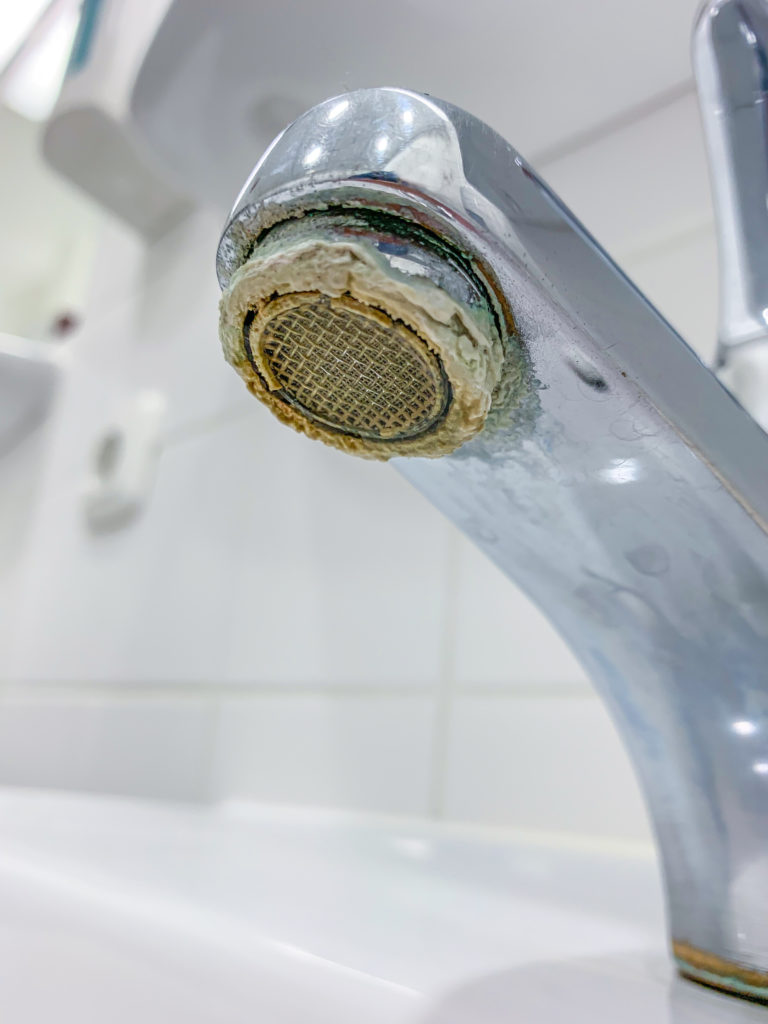
- Showerheads with visible scale or biofilm
All Legionella & Water Hygiene Services
Legionella Risk Assessments
Cleaning & Disinfection Services

Legionella Monitoring & Maintenance
Cooling Tower Treatment