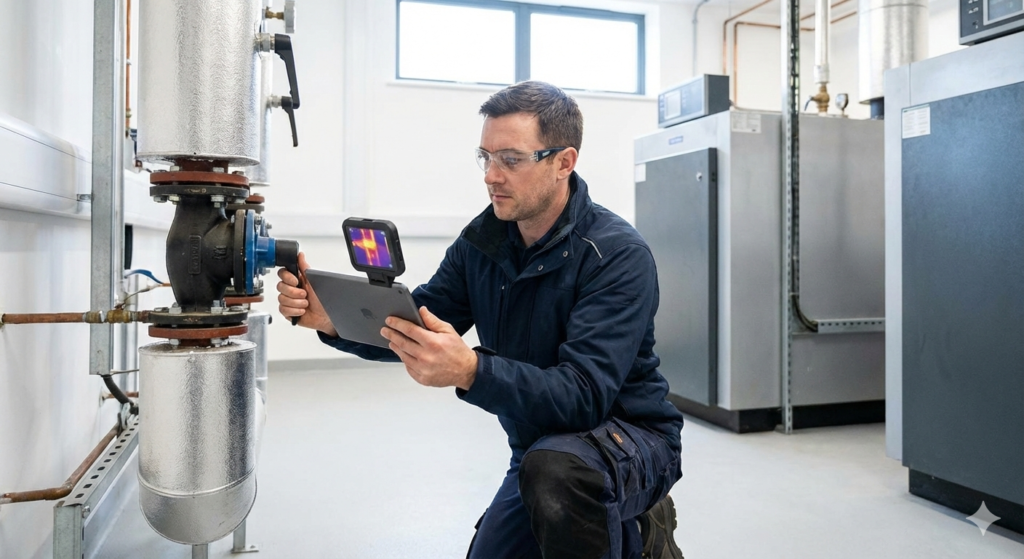
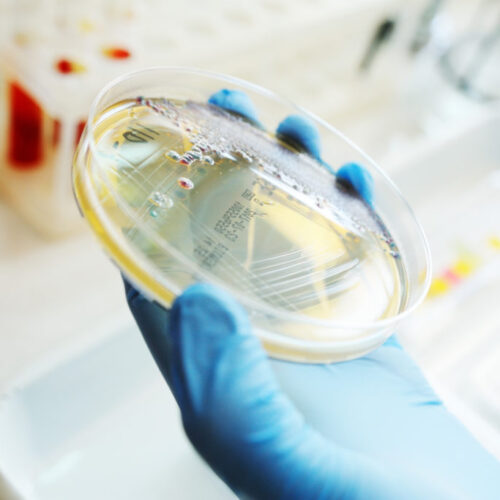
Laboratory testing with proper interpretation.
We advise on what results mean and what should happen next.
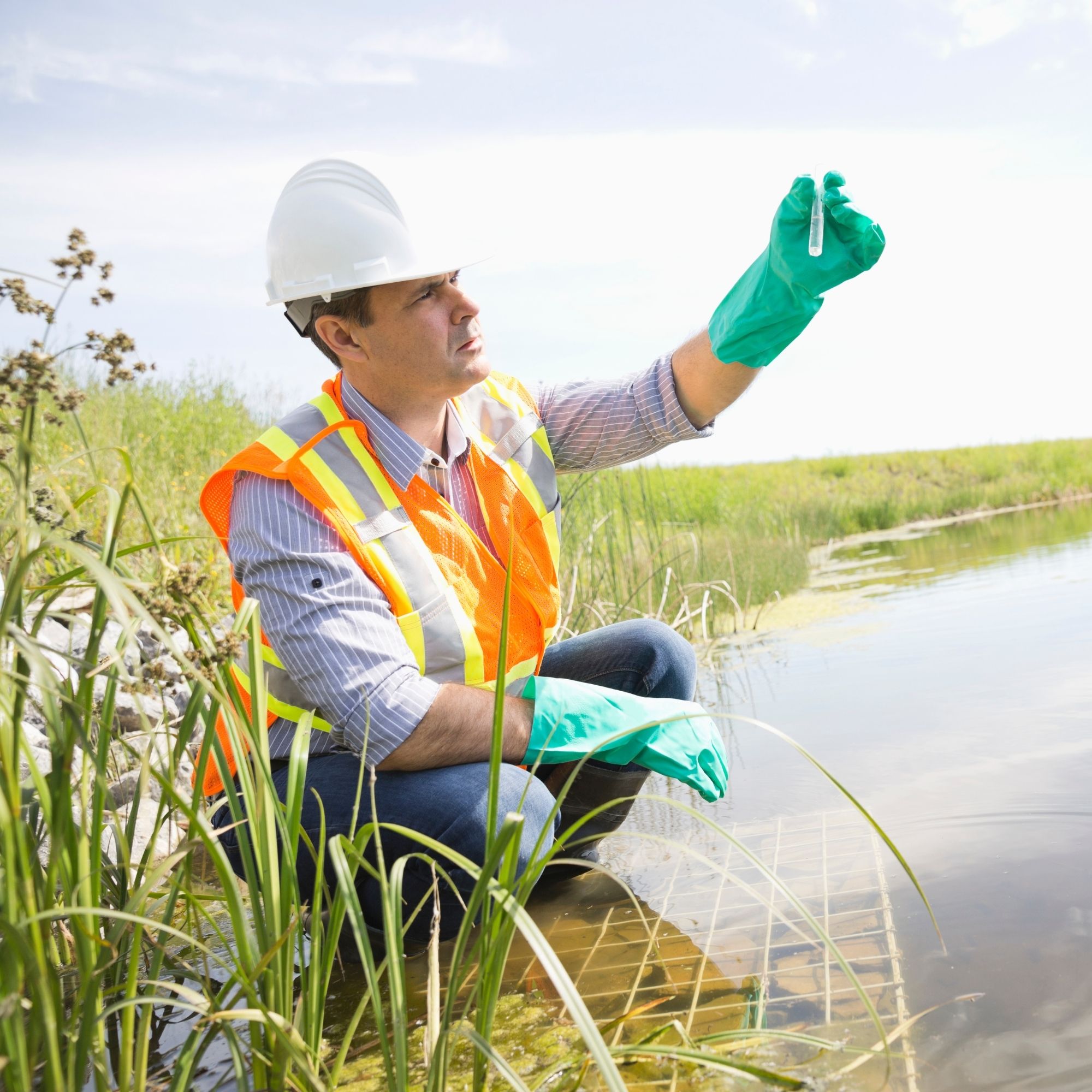
Water sampling involves collecting samples from your water system and having them analysed by a UKAS-accredited laboratory to detect the presence of harmful bacteria. This includes legionella (Legionella species and/or Legionella pneumophila as required), as well as optional parameters such as Pseudomonas aeruginosa, coliforms, E. coli and total viable counts (TVC).
Sampling provides objective evidence of water quality and helps verify whether your control measures are working as intended.
Legionella Sampling: Who It’s For
We support dutyholders responsible for hot and cold water systems across the built environment, including hotels, care settings, offices, education, leisure, industrial sites and healthcare. Where sampling is justified, we help you build a programme that is defensible, repeatable and useful – not just a certificate for the file.
Sampling is most effective when it is aligned with how the system operates and the risks present in the building.
Proper treatment and monitoring prevents these issues, reduces energy consumption and avoids costly plant failures.
How it works
Plan
confirm sampling locations, scope and frequency based on risk and system design
Sample
competent technicians using proper aseptic technique and full chain of custody
Analyse
testing carried out by a UKAS-accredited laboratory
Interpret & Act
clear findings, trend context and recommended actions
What sets us apart
Why Enviroliance
- In-house scientific expertise to interpret results properly
- Clear advice on what results mean and what should happen next
- Trend analysis across multiple sampling rounds
- Context-aware interpretation (we know your building, not just your samples)
- Proper chain of custody and sample handling
- Direct access to our scientists when you have questions
What’s included
- Sample collection by trained technicians using proper aseptic technique
- Temperature-controlled transport to maintain sample integrity
- Analysis at a UKAS-accredited laboratory
- Testing for Legionella species and/or Legionella pneumophila as required
- Optional testing for Pseudomonas aeruginosa, coliforms, E. coli, TVC
- Clear results report with interpretation and recommended actions
- Resampling guidance where verification or follow-up is required
Why Interpretation Matters
A sample result is just a number. What matters is what it means.
Many providers take samples, send them to a lab, and forward the certificate. That is not enough.
- Results require context:
- What is normal for this system?
- Does this result fit the building’s operating conditions?
- Is it part of a trend?
- What should happen next?
At Enviroliance, our in-house team includes chartered chemists and microbiologists. We don’t just report results – we interpret them, identify anomalies, spot trends, and advise on appropriate actions. This science-led approach means you understand what’s actually happening in your water system, not just what the numbers say.
When Should You Take Legionella Samples?
- Legionella sampling is most useful when it’s linked to a clear reason and a plan. Common triggers include:
- Following a Legionella Risk Assessment, to align sampling points and frequency with actual risk
- After tank cleaning, disinfection, or remedial works, as verification that controls are effective
- Where there’s a history of positives, persistent temperature issues, or recurring operational concerns
- In higher-risk environments, where monitoring expectations are greater (e.g. some healthcare/care settings)
- As part of an ongoing monitoring programme, where sampling is justified by risk and system performance
- Need a Risk Assessment as well? We can deliver both, so your sampling strategy is based on how your building and systems really operate.
What Happens If Results Are Positive?
If results are elevated or positive, we provide clear, proportionate next steps. That typically includes:
- immediate recommendations (where appropriate)
- investigation into likely root causes
- targeted remedial actions and controls
- a structured resampling plan to demonstrate closure
The goal is to move from “a result” to a clear and defensible outcome.
What Good Looks Like
- Results filed with no review or action
- No trend analysis across multiple sampling rounds
- Positive results with unclear investigation or follow-up
- Sampling schedules that don’t reflect real risk
- Over-reliance on sampling as a substitute for proper control measures
Common Issues We See
Good sampling is not just about getting results. It’s about understanding them and acting appropriately. You should have:
- A sampling schedule that reflects your risk profile
- Results that are reviewed and interpreted – not just filed
- Clear actions when results are outside expected ranges
- Trend data that shows how your system performs over time
- Confidence that your sampling programme would satisfy an auditor
All Legionella & Water Hygiene Services
Legionella Risk Assessments
Cleaning & Disinfection Services
Legionella Monitoring & Maintenance
Cooling Tower Treatment